
The Idea That Blew Away the
Handkerchief
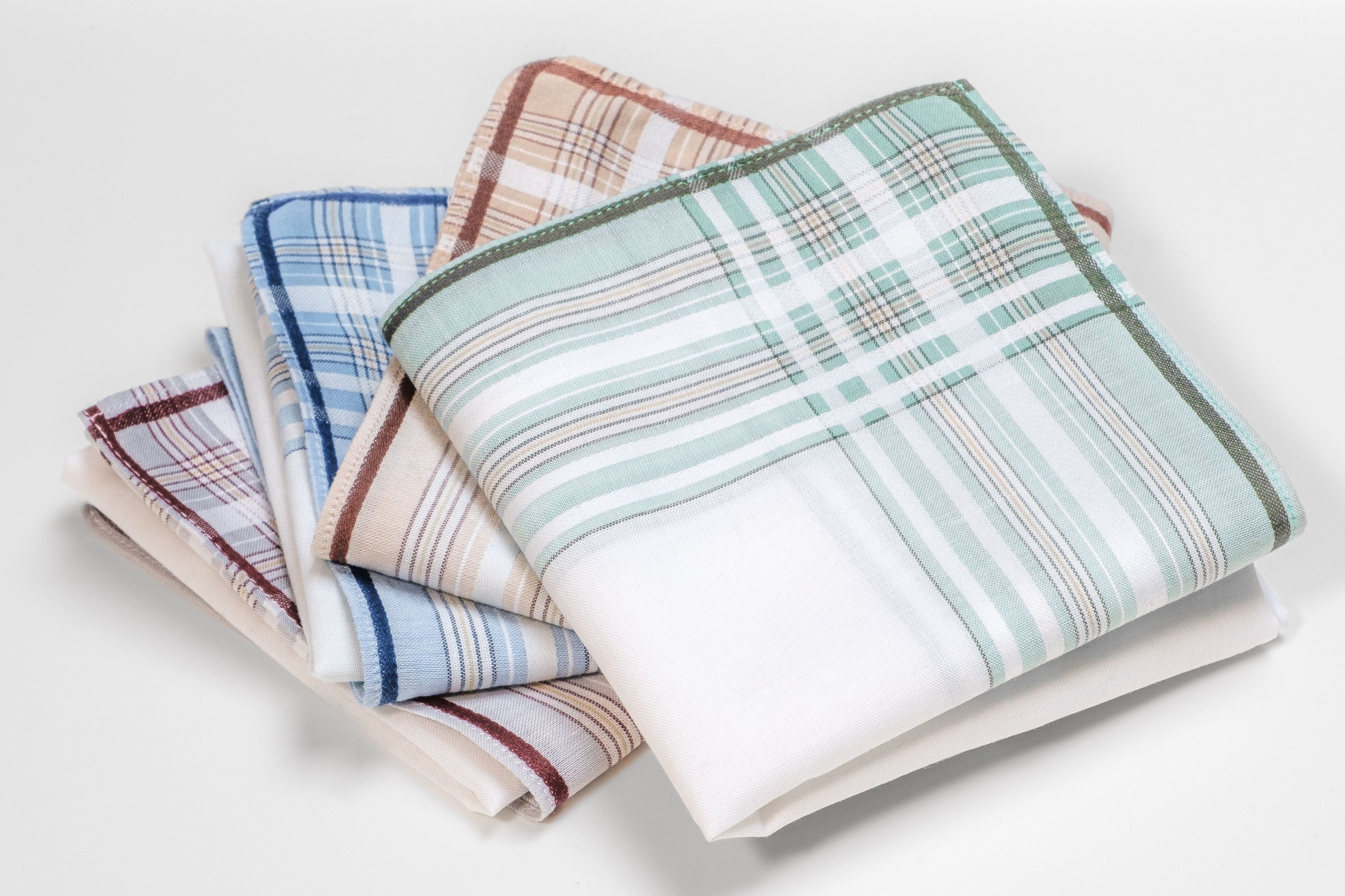

How a makeup wipe became a global habit
Kleenex didn’t begin as a handkerchief - it began as a medical invention. In the
1920s, Kimberly-Clark created a new soft, absorbent material called Cellucotton,
originally developed for surgical bandages during World War I. After the war, the
company looked for new uses for this innovation.
They experimented and discovered Cellucotton could make disposable beauty
wipes. So in 1924, they launched Kleenex, marketing it as a convenient way to
remove cold cream and makeup - a luxury accessory for women.


Then came the twist. A few years later, Kimberly-Clark began receiving letters
from customers saying they used Kleenex not for makeup - but as disposable
handkerchiefs when they had colds. They preferred it because it was cleaner,
softer, and easier than washing cloth tissues.
The company paid attention. Instead of insisting on the original purpose, they
pivoted. Kleenex was remarketed as “the handkerchief you can throw away.”
Sales surged. A wartime material and a beauty accessory quietly became a global everyday essential.

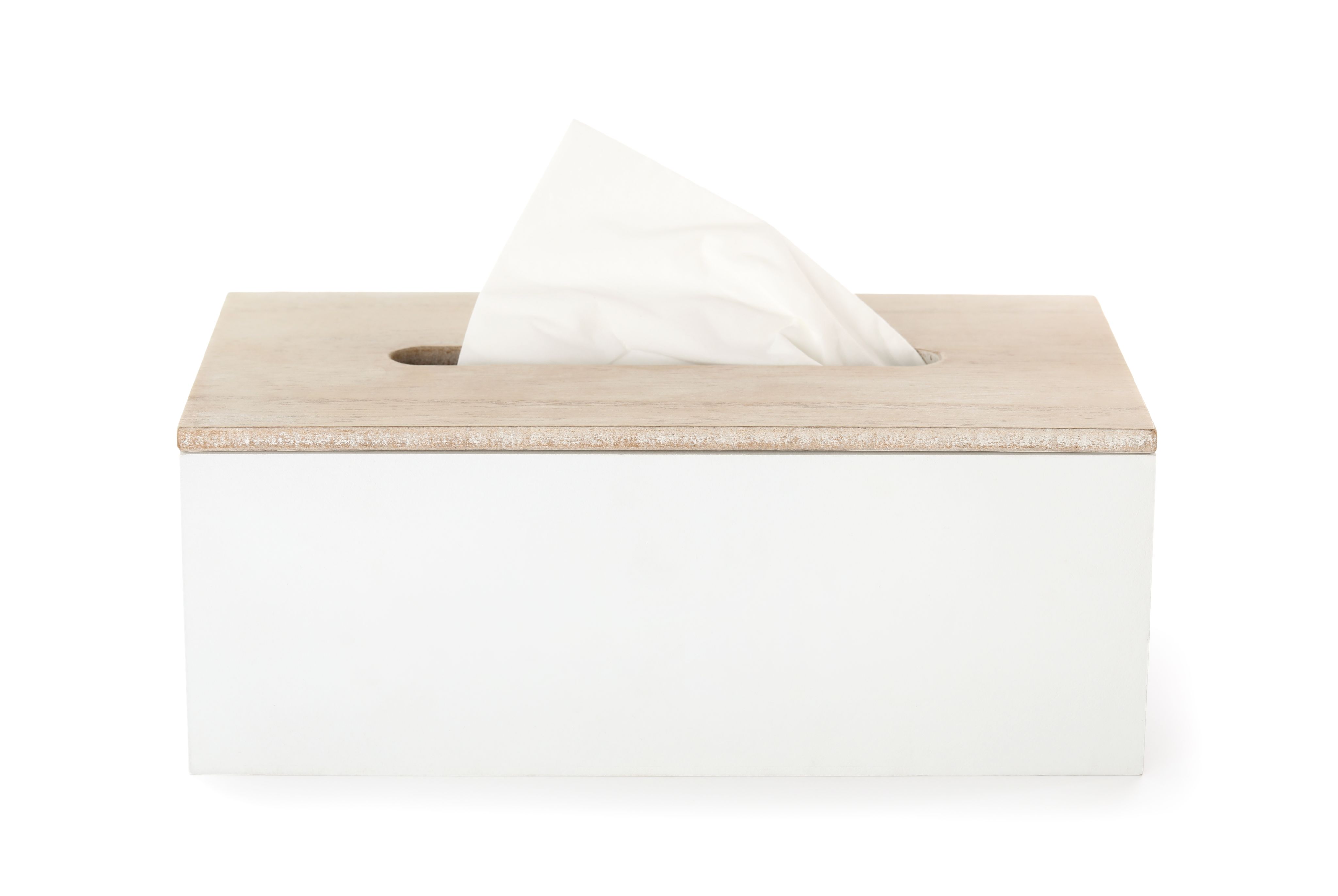
Kleenex was remarketed as "the handkerchief you can throw away."
Kleenex was remarketed as "the handkerchief you can throw away."
Takeaway
True creativity in business begins with observation.
Kimberly-Clark didn’t invent a new product - they listened to how people were
already using it and adapted. Sometimes, the greatest innovation is simply paying
attention.
 Built with Shorthand